
Brighter displays
A New Device Engineering
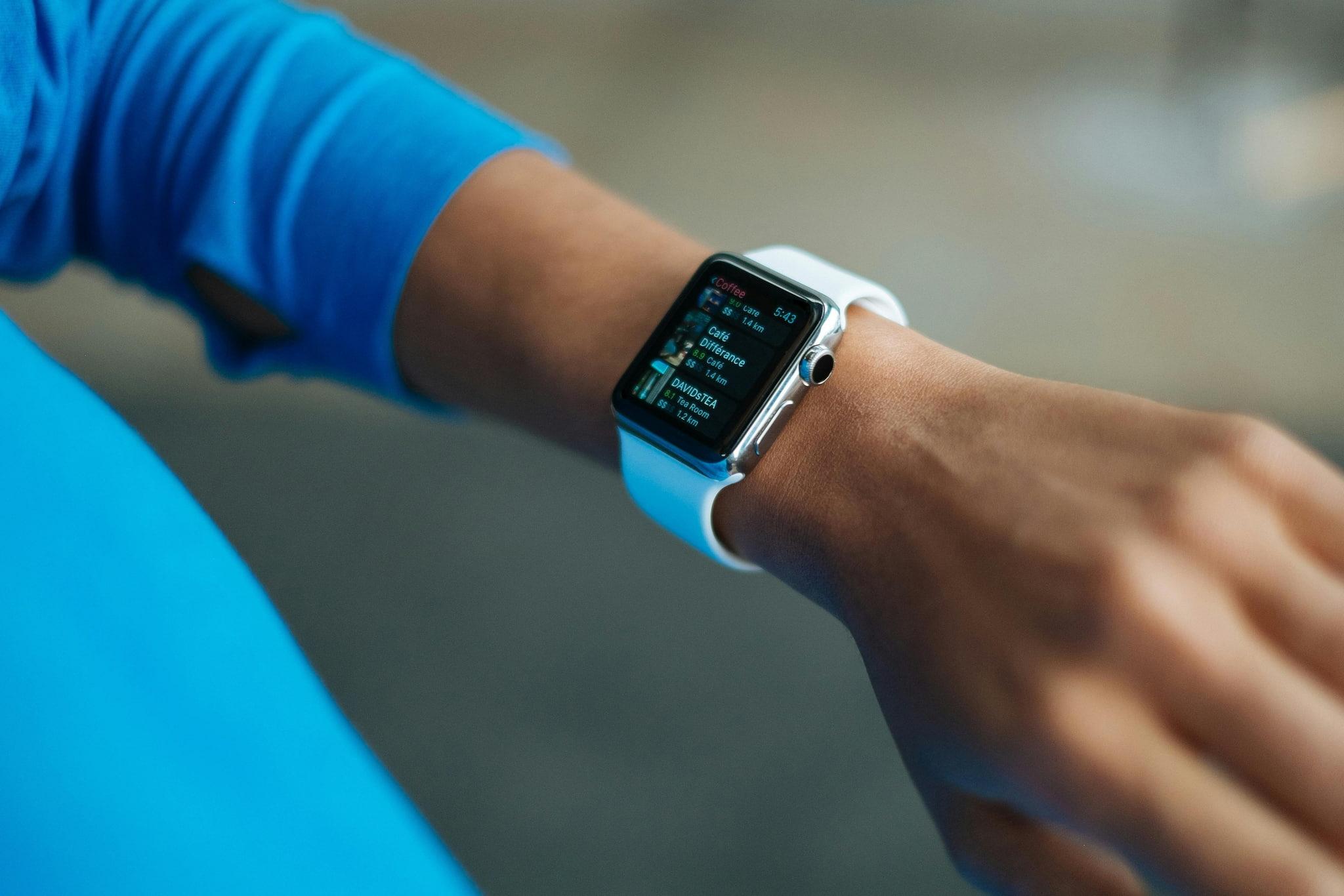
The displays on the next generation of phones have a weakness. Their under-display cameras don’t receive enough light because the OLED is not sufficiently transparent. The next generation of watches have a problem. Their OLED displays weren’t bright enough.
The next generation of AR/VR is challenged by light output. Efficiency, light output, and transparency issues are a common theme throughout the OLED display market and one we’re poised to address.
Our company has generated an idealized chemical that addresses multiple pain points within OLEDs and works cross-platform.

Create brighter OLED displays with Lumina.


Improve energy efficiency of devices.
We create high-performance materials designed to meet the demands of modern electronics.

Our chemical can:

Allow metal electrodes on the organic materials in the OLED to be made thinner, increasing light output (brighter OLED)

Thinner electrodes improve energy efficiency of the device (improved carbon footprint/ESG),

Lookthrough OLED applications gain higher transparency (better seeing)

All OLEDs potentially gain a massive decrease in materials usage (lower cost).


Boost efficiency while reducing carbon footprint.


Stronger interfaces, thinner electrodes, superior performance
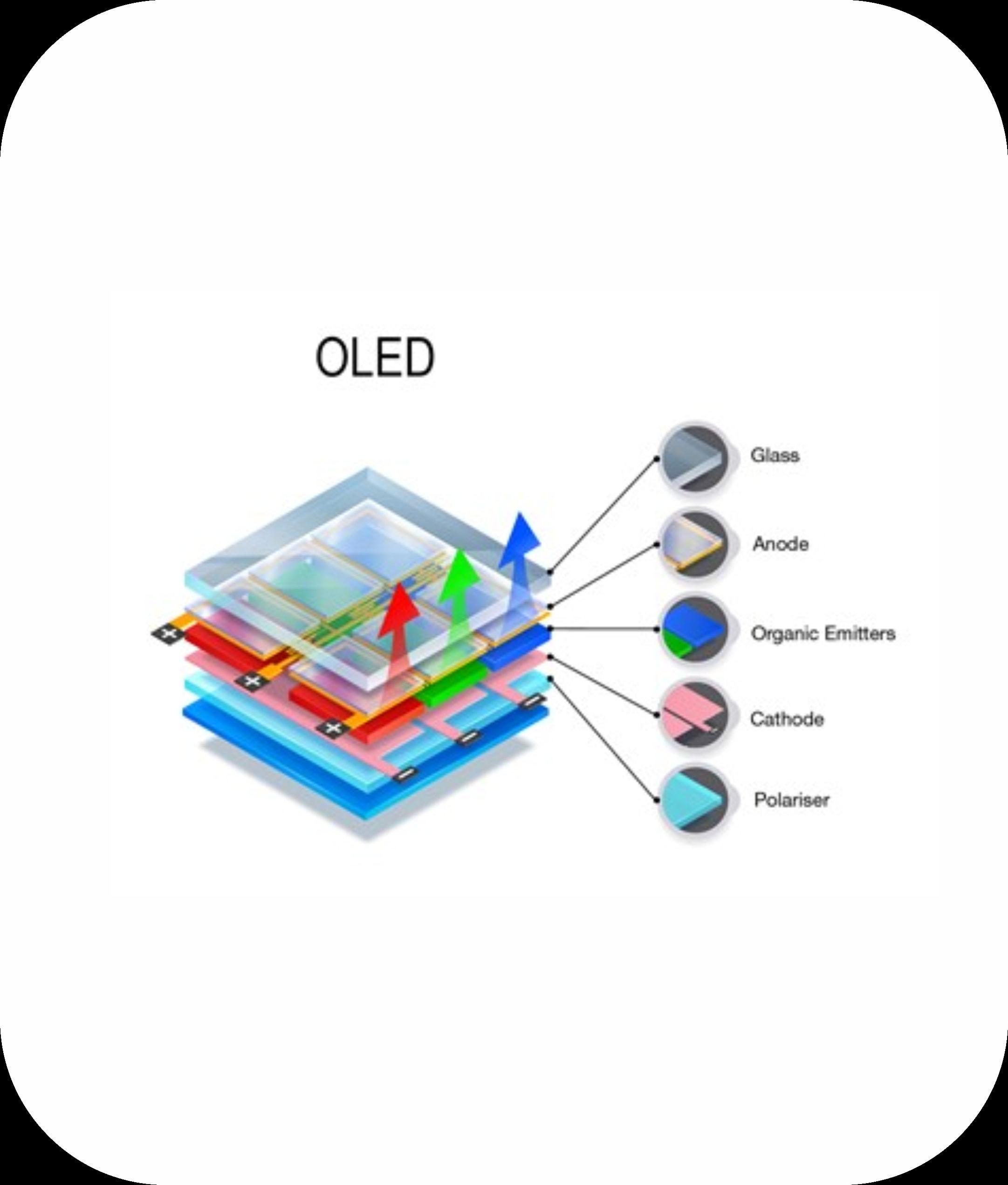
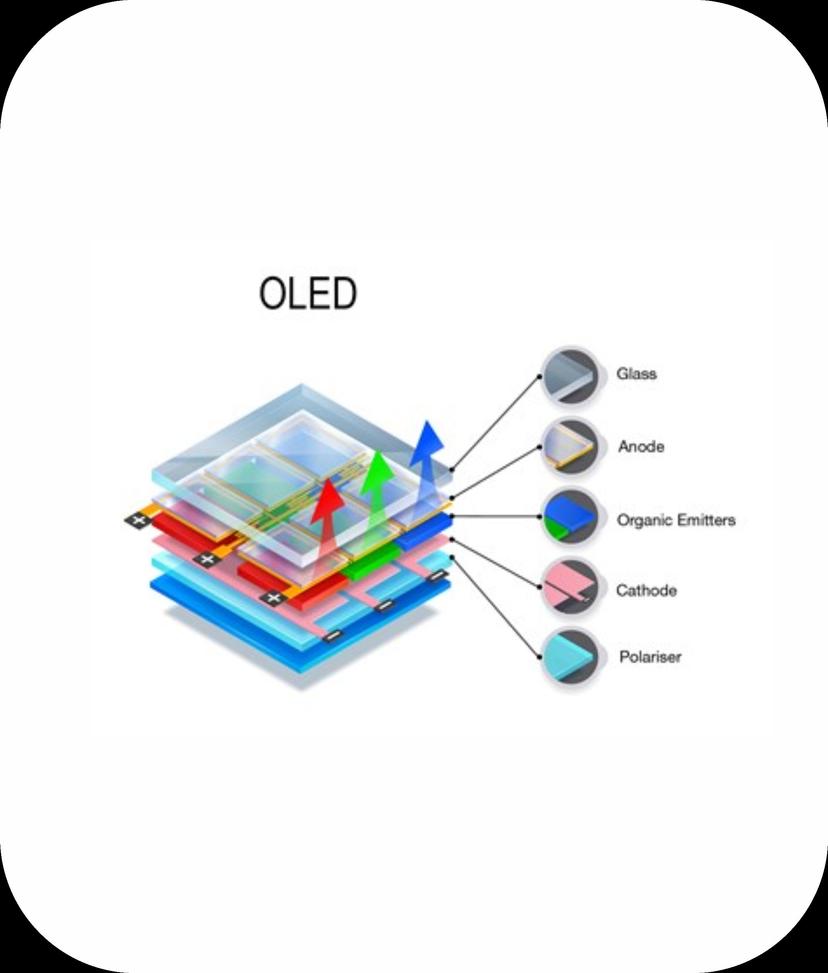
At Lumina, we reduce the use of materials and lower manufacturing costs.
Innovative Solutions
A new generation of materials
Molecular Interfaces have developed a unique chemical structure that contains exceptionally effective binders of metal, at a high density of binders, and created the only method by which these structures can be generated at the surface.
Our binder causes the metal to wet the surface effectively during deposition and allows exceptionally thin (~7 nm thickness) metal to be used.
The considerable reduction in the use of materials and, therefore, lower cost, is due to the high adhesion that confines the metal to the surface, limiting the amount of protective material needed for the underlying organic stack of materials.
Revolution in OLED performance
We increase efficiency
Thanks to the usefulness of our “high light output” chemical, the OLED display manufacturers can create displays with greater transparency that enable higher resolution cameras or increase light output to make OLED displays viable in smart watches.
This allows them to remain relevant in a highly competitive ecosystem where alternative technologies (e.g., microLED) are attacking existing methods from within, while changes in form factors and function (foldable phones, under-screen cameras, etc.) are forcing rapid evolution from the outside, all with billions of dollars at stake ($44 billion per year).


Let's create the device revolution together—sustainable chemistry is driving the future of displays.
Let's create the device revolution together—sustainable chemistry is driving the future of displays.
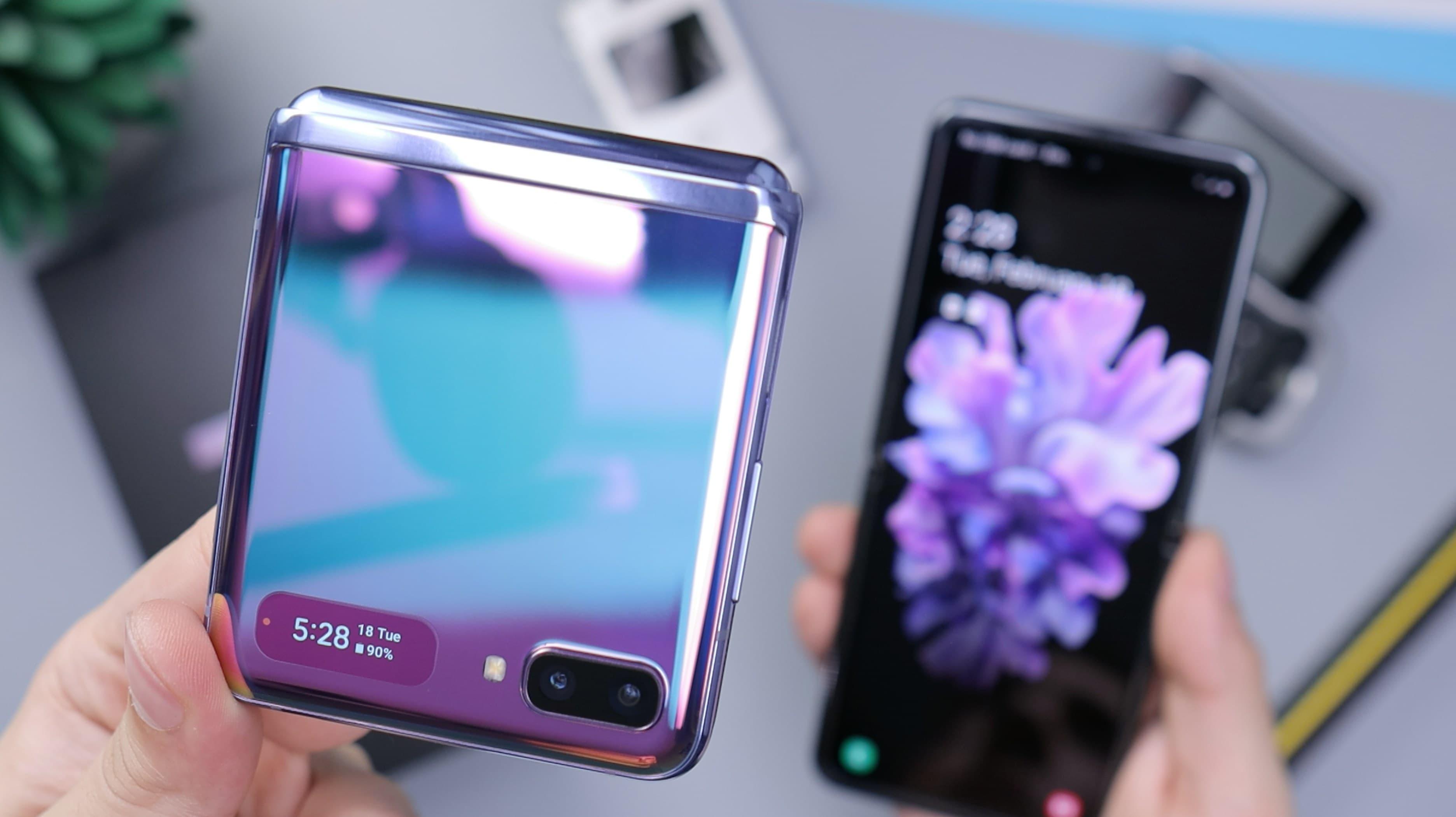
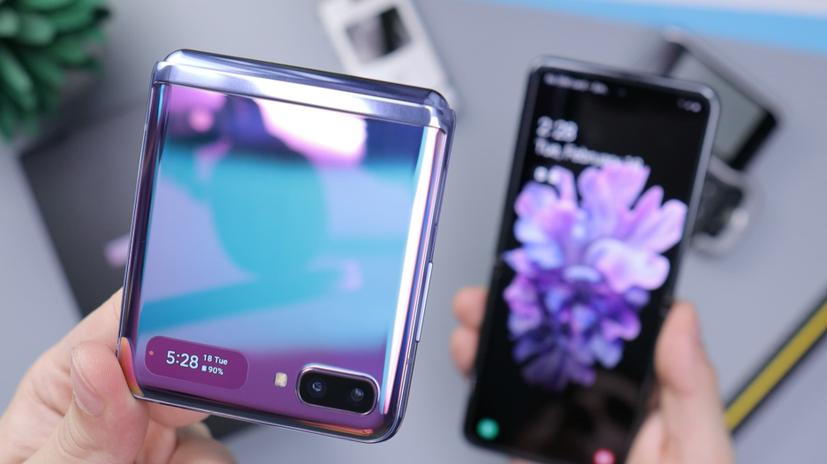
Achieve higher transparency for under-display cameras.